Looking for unique finds and a way to make a difference? Discover why shopping at nonprofit thrift stores is a smarter choice than retail shopping!
Understanding Nonprofit Thrift Stores
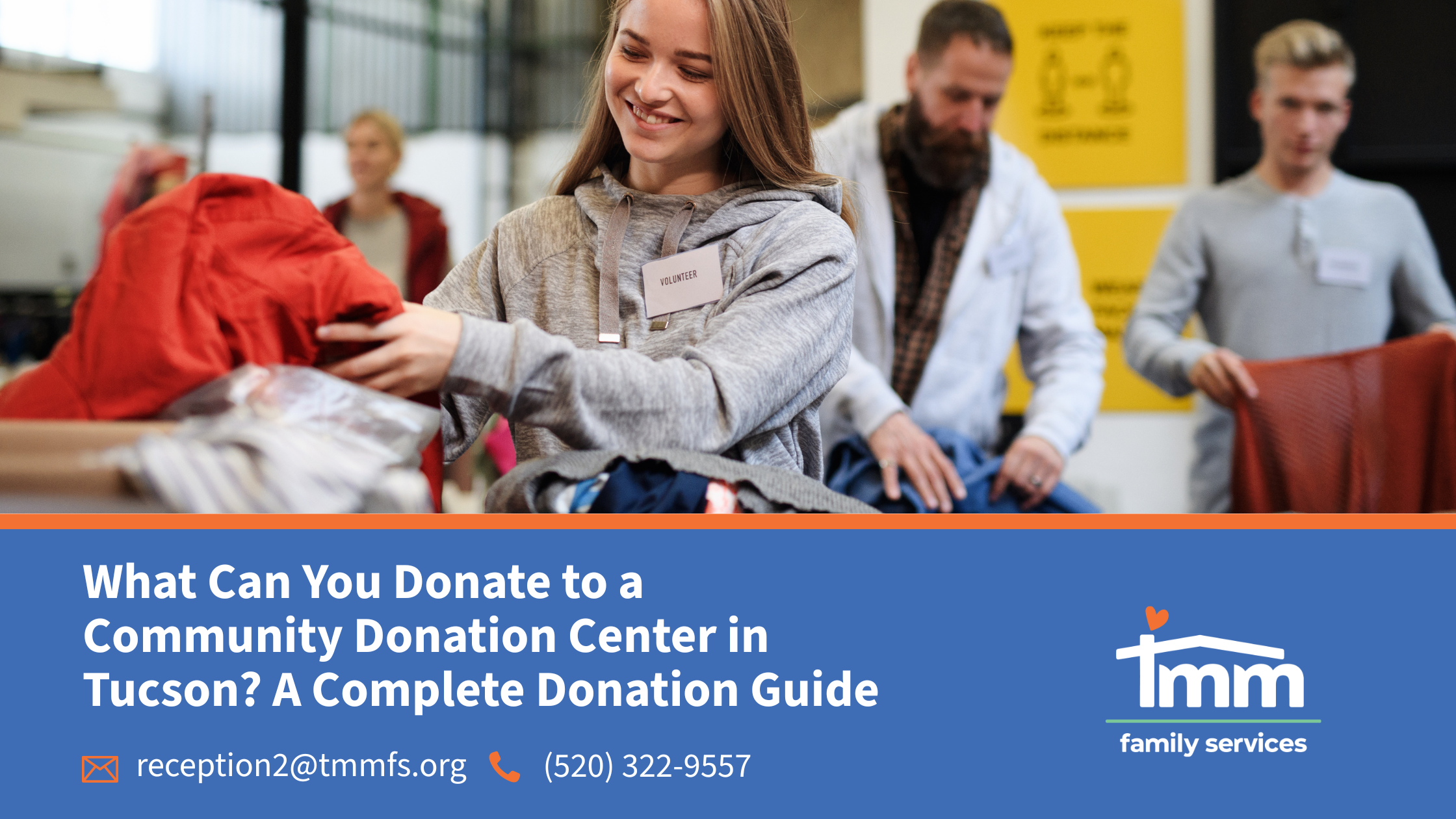
Nonprofit thrift stores are distinctive retail establishments operated by charitable organizations with a mission to support various causes. Unlike traditional retail stores, the primary goal of these thrift shops is not to maximize profit but to raise funds for their charitable activities. When you shop at a nonprofit thrift store, you’re directly contributing to the organization’s mission, whether it’s providing shelter for the homeless, supporting education initiatives, or aiding medical research. These stores are operated on donations, with individuals contributing gently used items that are then resold to fund the charity’s operations.
One of the key advantages of nonprofit thrift stores is their commitment to transparency and community involvement. Many of these organizations openly share how the proceeds from sales are used, ensuring that your purchases make a tangible difference. This level of accountability is often absent in traditional retail, where profits are typically directed towards shareholders and corporate growth rather than community benefits. By choosing to shop at nonprofit thrift stores, you align your spending with your values, supporting causes that matter to you and your community.
Moreover, nonprofit thrift stores often employ individuals from marginalized communities, offering job training and employment opportunities to those who may struggle to find work elsewhere. This not only helps individuals gain valuable skills and experience but also fosters a sense of inclusion and community support. In essence, every purchase made at a nonprofit thrift store contributes to a cycle of giving and community enrichment that extends far beyond the transaction itself.
The Environmental Impact of Thrift Shopping
One of the most compelling reasons to choose thrift shopping over retail is the positive environmental impact. The fashion industry is notorious for its significant carbon footprint, with fast fashion contributing to pollution, waste, and resource depletion. Thrift shopping offers a sustainable alternative by extending the life cycle of clothing and other goods, reducing the demand for new products, and minimizing waste. When you purchase second-hand items, you’re effectively diverting them from landfills, where they would contribute to environmental degradation.
Thrift shopping also helps conserve natural resources. Producing new clothing and goods requires substantial amounts of water, energy, and raw materials. By opting for second-hand items, you’re reducing the need for these resources, which in turn lowers the environmental impact associated with manufacturing and transportation. This sustainable approach to shopping is a small but significant step towards reducing your carbon footprint and promoting environmental stewardship.
In addition, nonprofit thrift stores often engage in recycling and upcycling initiatives, further enhancing their environmental benefits. Many of these stores accept donations of items that cannot be sold, such as damaged clothing or electronics, and work with recycling partners to ensure that these items are properly disposed of or repurposed. This commitment to sustainability underscores the broader mission of nonprofit thrift stores: to create positive change not only within their communities but also for the planet.
Supporting Local Communities and Charities
One of the most impactful aspects of shopping at nonprofit thrift stores is the direct support it provides to local communities and charities. The proceeds from sales go towards funding a wide range of programs and services that address critical needs within the community. Whether it’s providing meals for the hungry, offering educational programs for underserved youth, or funding medical research, your purchases help sustain these vital initiatives.
Nonprofit thrift stores often partner with local organizations to maximize their impact. For example, a thrift store run by a homeless shelter might collaborate with a food bank or a job training program to offer comprehensive support to individuals in need. These partnerships create a network of resources that can address multiple aspects of poverty and social inequality, making a meaningful difference in the lives of community members.
Furthermore, many nonprofit thrift stores are deeply embedded in the communities they serve, often relying on local volunteers and donors to operate. This fosters a sense of community ownership and engagement, as individuals come together to support a common cause. By shopping at these stores, you’re not only contributing financially but also participating in a larger movement of collective action and community building. Many nonprofit organizations also use thrift store proceeds to support community programs, including Supportive Housing Tucson initiatives. Every purchase helps fund essential services that provide stable housing, life skills, and ongoing support for individuals and families working toward independent living.
Unique and Diverse Product Offerings
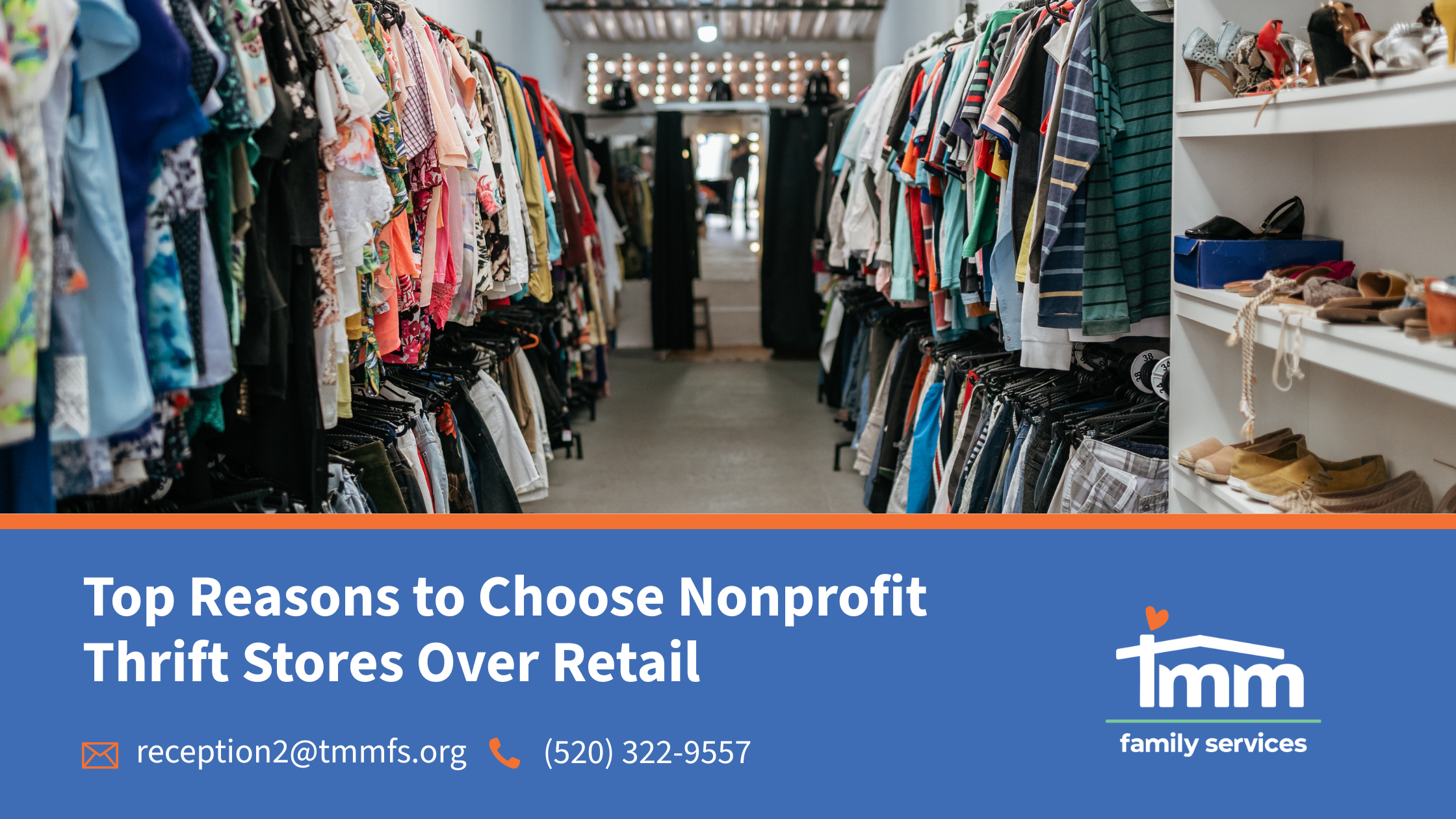
One of the most exciting aspects of shopping at nonprofit thrift stores is the unique and diverse range of products available. Unlike traditional retail stores, which often stock mass-produced items, thrift stores offer a curated selection of one-of-a-kind treasures. From vintage clothing and antique furniture to rare collectibles and quirky home decor, you never know what you might find on the shelves of a thrift store.
This diversity in product offerings is a result of the donation-based model that nonprofit thrift stores operate on. Because the inventory is sourced from the community, it reflects a wide array of tastes, styles, and eras. This makes thrift shopping an adventure, as each visit can yield new and unexpected finds. For those who enjoy expressing their individuality through fashion and home decor, thrift stores provide an endless source of inspiration and creativity.
Moreover, the constantly changing inventory ensures that there’s always something new to discover. Unlike retail stores, where stock is often replenished with the same items, thrift stores offer a dynamic shopping experience. This keeps customers coming back, eager to see what new treasures have arrived. Whether you’re a seasoned thrifter or a newcomer, the thrill of discovering unique and diverse items is a major draw of nonprofit thrift stores.
Cost-Effectiveness of Thrift Store Shopping
Another significant advantage of shopping at nonprofit thrift stores is the cost-effectiveness. Thrift stores offer high-quality items at a fraction of the price you would pay at traditional retail stores. This makes it an ideal shopping option for budget-conscious individuals and families who want to stretch their dollars without compromising on quality. Whether you’re looking for clothing, furniture, or household items, thrift stores provide affordable options that fit within any budget.
In addition to the already low prices, many nonprofit thrift stores offer regular sales and discounts, further enhancing the cost savings. For example, some stores have designated discount days where certain items are marked down, or they may offer loyalty programs that reward frequent shoppers with additional savings. These promotions make thrift shopping even more economical, allowing you to get more value for your money.
Furthermore, the cost-effectiveness of thrift shopping extends beyond the initial purchase. Because you’re buying second-hand items, you’re often able to find higher-quality goods that are built to last. This means you won’t have to replace items as frequently, saving you money in the long run. By choosing thrift stores over retail, you’re making a smart financial decision that also supports charitable causes and promotes sustainability.
The Thrill of the Hunt: Finding Hidden Gems
One of the most exhilarating aspects of thrift shopping is the thrill of the hunt. Unlike traditional retail shopping, where items are neatly organized and stocked, thrift stores offer a more eclectic and unpredictable experience. This element of surprise and discovery makes thrift shopping a fun and engaging activity, as you never know what hidden gems you might uncover.
The process of browsing through the racks and shelves in search of unique finds can be incredibly rewarding. Whether it’s stumbling upon a vintage designer dress, discovering a rare vinyl record, or finding a piece of antique furniture, the sense of accomplishment and excitement is unparalleled. For many thrift shoppers, this treasure-hunting aspect is what keeps them coming back time and time again.
Moreover, the thrill of the hunt extends beyond just finding valuable items. It’s also about the stories and history behind each piece. Every item in a thrift store has a past, and uncovering these stories adds a layer of richness to the shopping experience. Whether it’s a piece of vintage clothing from a bygone era or a handcrafted item with unique details, each find is a testament to the craftsmanship and creativity of the past.
Quality and Vintage Items at Affordable Prices
One of the standout benefits of shopping at nonprofit thrift stores is the availability of high-quality and vintage items at affordable prices. Thrift stores often stock well-made clothing, furniture, and household goods that are built to last. Unlike fast fashion and mass-produced items, which can be flimsy and short-lived, the items you find in thrift stores are often of superior quality and craftsmanship.
Vintage clothing, in particular, is a major draw for thrift shoppers. These items are not only stylish and unique but also often made from higher-quality materials than modern garments. Vintage pieces are typically constructed with greater attention to detail and durability, making them a worthwhile investment for your wardrobe. Additionally, wearing vintage clothing allows you to stand out from the crowd and express your individuality in a way that mass-produced fashion cannot.
In addition to clothing, thrift stores are a treasure trove of vintage and antique furniture, home decor, and collectibles. These items add character and charm to your living space, offering a unique alternative to the generic, mass-produced furnishings found in traditional retail stores. Whether you’re a collector, a DIY enthusiast, or simply appreciate the beauty of vintage items, thrift stores provide an affordable way to incorporate high-quality, distinctive pieces into your home.
Thrift Stores vs. Retail: A Comparative Analysis
When comparing thrift stores to traditional retail, several key differences highlight the advantages of choosing thrift shopping. Firstly, the cost savings are significant. Thrift stores offer gently used items at a fraction of the price of new retail items. This affordability makes it possible to find high-quality goods without breaking the bank, making thrift shopping an attractive option for budget-conscious consumers.
Secondly, the environmental benefits of thrift shopping are considerable. Traditional retail contributes to overproduction, waste, and resource depletion, whereas thrift stores promote sustainability by extending the life cycle of products. By choosing to shop second-hand, you’re actively reducing your carbon footprint and helping to combat the negative environmental impact of the fashion and retail industries.
Moreover, thrift stores offer a more unique and diverse shopping experience. Unlike retail stores, which often stock mass-produced items, thrift stores provide a constantly changing inventory of one-of-a-kind finds. This element of surprise and discovery makes thrift shopping an engaging and enjoyable activity. Additionally, the knowledge that your purchases support charitable causes adds a sense of purpose and fulfillment that is often lacking in traditional retail shopping.
Tips for Successful Thrift Store Shopping
To make the most of your thrift store shopping experience, it’s helpful to keep a few tips in mind. Firstly, go in with an open mind and be prepared to spend some time browsing. Thrift stores can be overwhelming with their vast and varied inventory, so taking the time to carefully sift through the racks and shelves can yield the best finds. Patience and persistence are key to uncovering hidden gems.
Secondly, don’t be afraid to get creative and think outside the box. Many thrift store items can be repurposed or upcycled with a little imagination and effort. For example, a vintage dress might need some alterations to fit perfectly, or an old piece of furniture could be given a new lease on life with a fresh coat of paint. Embracing the DIY spirit can lead to unique and personalized items that reflect your individual style.
Finally, it’s important to check the quality and condition of items before purchasing. While thrift stores often stock high-quality goods, it’s still essential to inspect items for any damage or wear. Look for clothing with intact seams and working zippers, and examine furniture for sturdy construction. By ensuring that items are in good condition, you can make confident purchases that will stand the test of time.
Conclusion: Making the Switch to Thrift Shopping
In conclusion, there are numerous compelling reasons to choose nonprofit thrift stores over traditional retail. From the environmental benefits and cost savings to the unique and diverse product offerings, thrift shopping offers a sustainable and fulfilling alternative to conventional consumerism. By making the switch to thrift shopping, you’re not only supporting charitable causes and local communities but also promoting a more sustainable and mindful approach to consumption.
The thrill of discovering hidden gems, the availability of high-quality and vintage items, and the sense of purpose that comes from supporting nonprofit organizations all contribute to the appeal of thrift shopping. Whether you’re a seasoned thrifter or new to the world of second-hand shopping, nonprofit thrift stores offer a rewarding and impactful way to shop.
So the next time you’re in need of clothing, furniture, or household items, consider visiting your local nonprofit thrift store. You never know what treasures you might find or the difference your purchases might make. By choosing thrift shopping over retail, you’re making a positive impact on your community, the environment, and your wallet. Happy thrifting!
If you’re looking for an affordable way to shop while supporting meaningful community programs, visiting a trusted Thrift Store Tucson is an excellent choice. Every donated and purchased item helps nonprofit organizations continue providing valuable services to local residents.